

Dhamma TIME : ค้นหาหนังสือธรรมะ หน้า 14 / 45
หน้าหนังสือทั้งหมด
82
Interpretations of Dhammakāya in Pali Commentaries
In addition to the above two commentators, Upasena and Buddhadatta141 are also Pali commentators who lived around the same times.142 Upasena agrees with Buddhagōsha in regard to his interpretations of
The text discusses the interpretations of the term 'dhammakāya' by various Pali commentators, focusing on Upasena and Buddhadatta, who align with Buddhagōsha, and their views on the Buddha's qualities
101
Understanding the Pāli Verses and Buddhist Doctrine
The Text
The first nine leaves are inscribed with Pāli verses and a commentary in Tai Yuan.4 The final leaf of the manuscript is an addendum, inscribed with a stanza of the Dvatiṃsa-mahāpuruśa-lakkhaṇ
The manuscript presents Pāli verses and commentary in Tai Yuan, summarizing Buddhist doctrines about the Buddha's physical body and wisdom. It includes thirty stanzas highlighting qualities like divin
140
The Gift of Dhamma: An Appreciation
“Sabba danam dhamma danam jinati”
“The gift of Dhamma excels all other gifts”
As director of the Dhammachai International Research Institute of Australia and New Zealand (DIRI), I would like to expre
In this message, Phrakrupladnayokwarawat (SudhammoBhikkhu) expresses gratitude to Rungsilp Printing Co., Ltd. for their support in publishing the DIRI journal. This publication aims to benefit student

64
บ่อเกิดแห่งปัญญาในธรรมะ
Dhamma Digest
บ่อเกิดแห่งปัญญามี 3 วิธี
• สูติยปัญญา (ฟัง, อ่าน)
• จินตยมปัญญา (คิด)
• ภาวนามยปัญญา (การเจริญภาวนา)
วารสารอยู่ในบุญลักษณะพิเศษ ไม่เหมือนหนังสือทั่วไป... ในโลก มี Reader’s Digest (รีดเด
Dhamma Digest เป็นวารสารที่รวบรวมความรู้ในด้านธรรมะอย่างถูกต้อง ช่วยให้ผู้อ่านพัฒนาปัญญาจาก 3 วิธีหลัก ได้แก่ สูติยปัญญา (การฟังและอ่าน), จินตยมปัญญา (การคิด), และภาวนามยปัญญา (การเจริญภาวนา) ทั้งยังเ
121
Light of Purity
Light of Purity
Don’t get excited when you see the bright light, or wonder where the light is coming from, or whether you have left the lights on. Be unaffected by it. Feel happy that there is bright
The text discusses the natural emergence of inner light when the mind is tranquil and purified. It encourages readers to remain unaffected by the brightness, much like appreciating the sunrise without
159
Glossary of Buddhist Terms
GLOSSARY 155
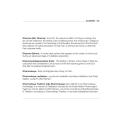
Dhamma (Skt. Dharma): the truth; the natural condition of things or beings; the law of their existence; the ethical code of righteousness; the whole body of religious doctrines as a sys
This glossary outlines significant Buddhist terms. Dhamma refers to truth and the natural law of existence as taught by the Buddha. Dhammacakkappavattana Sutta is recognized as the Buddha's first teac

61
Dhammakaya Foundation's Educational Media
Cassettes
For the convenience in spreading Dhamma to youth around the country, Dhammakaya Foundation has produced video and audio cassette teaching materials on subjects including meditation instructi
The Dhammakaya Foundation produces a range of video and audio teaching materials, including meditation instructions, Dhamma music, and chantings to engage youth across Thailand. It operates 10 daily r
23
The Path to Nibbana and the Challenges of Lay Life
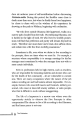
dure six arduous years of self-mortification before discovering Niramisasukha. During this period, the Buddha came close to death more than once, but when he finally found true happiness, he chose to
After six years of self-mortification, the Buddha discovered Niramisasukha, close to death multiple times. He emphasized living by the Dhamma for true happiness, urging ordination to escape worldly po
73
Dhamma Vinaya: Understanding the Wisdom of the Pali Canon
Dhamma Vinaya means, the wisdom and instruction contained in the Pali Canon of which there are two types.
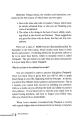
1. One is the rules and code of conduct, Vinaya, which must be strictly refrained from, or el
Dhamma Vinaya encompasses the wisdom of the Pali Canon, highlighting two types: Vinaya, which entails strict rules of conduct for monks, and Dhamma, teaching beneficial practices that are not compulso
81
Direct and Indirect Benefits of Achieving Arahant Status
Direct benefits.
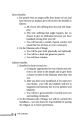
1. For people who no longer suffer from desire or lust, and have become an Arahant, they will receive the benefits as follows:
a. All of your old suffering from the past will disappea
Achieving Arahant status brings both direct and indirect benefits. Directly, individuals free from desire will see past suffering vanish, prevent future suffering, and embody good moral conduct, becom
37
Understanding the Ten Right Views in Buddhism
Spontaneous Arising Beings Exist, & 10) The Buddha and Arahants Exist
One’s Kamma is accumulated in the human world and affects our birth circumstances in the next life. However, between lives we are
This text discusses the influence of kamma on rebirth and the significance of recognizing spontaneous beings in the celestial realm. It highlights the Buddha as the supreme enlightened figure and Arah
45
The Importance of Moral Education in Teaching
Only with moral education can human beings eliminate conflicts, selfish and greedy tendencies and practices so that man may truly coexist with mindful and peaceful consideration for each other. This s
This text emphasizes the necessity of moral education to eliminate selfish and greedy tendencies, enabling peaceful coexistence. It discusses the role of various types of teachers—parents, school teac

115
Understanding Dhamma Through Meditation
[cakkhu], knowing [ñāṇa], wisdom [paññā] and knowledge [vijjā]. The meditator will see the nature of the Dhamma (inner mental phenomena). According to the Lord Buddha’s advice to Vakkali “he who sees
This text discusses the concept of Dhamma and how meditation aids in understanding it. It illustrates the teachings of the Buddha, emphasizing that one who truly sees Dhamma sees the Buddha, and highl
28
The Rebirth of Tambadathika: A Lesson in Dhamma
28
OCTOBER
Kasiha Readam
After the discourse, Tambadathika accompanied Venerable Sariputta for some distance and then returned home. On his way home a cow (actually a demon in the guise of a cow) g
After the death of Tambadathika, who was gored by a demon disguised as a cow, the Buddha reveals his rebirth in the Tusita deva world. Despite a life of evil deeds, Tambadathika attained *anūṇa maha*
20
The Journey of Enlightenment: The Buddha's Reflections
1
Overview
Introduction
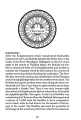
After the Enlightenment which transformed Siddhartha Gotama into the Lord Buddha beneath the Bodhi tree on the banks of the River Nerañjāra, Bodhgavā on the full moon night of
After achieving Enlightenment under the Bodhi tree, the Buddha spent 28 days in contemplation to absorb the bliss and understand the Dhamma. With encouragement from Brahmā Sahampati, he decided to sha
107
परम ध्यान और आत्मा का केंद्र
(sleeps).
Luang Phaw Wat Paknam explained that the ability to bring our mind to a standstill at this centre of the body is what we call ‘majjhima’ or ‘centering’. When the mind comes to a standstill
लुआंग फॉ वट पाकनम ने समझाया कि शरीर के केंद्र पर ध्यान लाने की क्षमता को 'मध्यम' कहा जाता है। यह वह बिंदु है जहाँ मन सद्भाव में आता है, और इसे अच्छे या बुरे के संदर्भ में नहीं रखा जा सकता है। इसके द्व
188
Understanding the Dhammacakka Pavattana Sutta
[vāddha-saṃsāra] on the levels of the Sensual Plane, the Form Plane and the Formless Plane so that we can enter upon Nirvana.
Thus in the inauguration of the Dhamma to the world, these two reasons are
The Dhammacakka pavattana Sutta marks the inaugural teaching of the Buddha, delivered at Isipatana Deer Park two months post-enlightenment. This Sutta introduces foundational concepts in Dhamma, empha
207
The Liberation and Enlightenment of Koññña
the cosmos with its deities, Mārās and gods, with its contemplatives and priests, its royalty and commonfolk."
"O! Monks! My liberation from the Cycle of Existence is real and permanent. This is my fi
This text discusses Koññña's journey towards enlightenment through focusing his mind and understanding the Four Noble Truths. His liberation from the Cycle of Existence is emphasized, marking the sign
260
The Gift of Dhamma Excels All Gifts
sabbadānāṁ dhammadānāṁ jināti
the gift of dhamma excels all gifts
Dh.354
The publication of this book for retail and distribution in the name of the Dhammakaya Foundation has been made possible only
The book celebrates the concept that the gift of Dhamma is superior to all other gifts, as articulated in verse Dh.354. It acknowledges the contributions of various benefactors and supporters who have
262
Contributors to Dhamma Publications
Sopark Sotara
Ladda Sritientong
Kanmunee Srivisarnprob
Vorathep Sriwannawat
Paisal Suchatkulwit
Wantana Suthachiva
Anan-Booncheri Suwannaku
Nongnuch Tangchoksirikul
Thipawan Tanprapaporn
Aron Teskeo
S
บทความนี้มีรายชื่อผู้มีส่วนร่วมในการเผยแพร่ Dhamma รวมถึงข้อมูลติดต่อเพื่อสนับสนุนการผลิตหนังสือ Dhamma ในอนาคตหรือการพิมพ์ซ้ำของหนังสือที่หมดสต๊อก หากท่านต้องการสนับสนุนการเผยแพร่หนังสือ Dhamma กรุณา